The Ground Beneath Us
How We Help Scientists Protect Our Environment Through Citizen Science
Communities help scientists study climate, track pests, and discover space objects through simple apps and projects that make real change.
By Good Good Good -- Apr 13, 2026
Overview
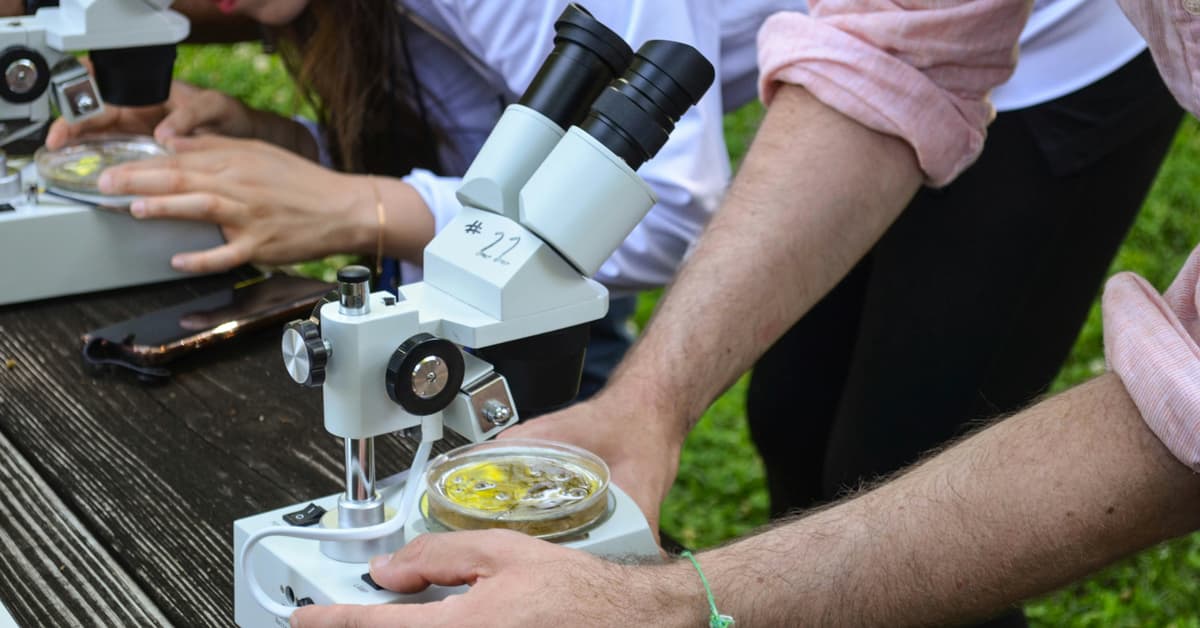
Scientists face a huge challenge: they can't be everywhere at once to study our changing planet. This is where our communities step in to help through citizen science projects that create real change for our environment.
Across Australia, people use apps like iNaturalist to spot invasive species that threaten local ecosystems. When someone finds an Asian shore crab or Siam weed in a new area, biosecurity managers get alerts within days. In 2025, this system helped officials find and remove a dangerous weed infestation more than 1,000 kilometers from where it was supposed to be. Early detection saved countless native plants and animals.
Our community also rescues weather history that exists only on old paper records. More than 1,700 volunteers have transcribed 67,400 weather observations from the 1800s. This work filled gaps in climate records for cities like Adelaide and Perth, giving us weather data back to 1830. Scientists now better understand extreme weather patterns as our climate changes.
Space exploration gets help too. Through Kilonova Seekers, thousands of volunteers play "spot the difference" with telescope images to find exploding stars and other cosmic events. This project has made over 200 discoveries, including an extremely bright star explosion that amateur astronomers could photograph.
Getting involved is simple. Download apps like iNaturalist or eBird, take photos of plants and animals around Houston, and share what we find. Our observations help protect the environment we all share.
Resources
About the source
Good Good Good is a media company sharing good news and actionable ways to make a difference. They publish stories about people, organizations, and ideas making the world better.
Knowledge Graph
How this connects
Connections across learning, action, organizations, and policy.
Choose your next step
Every page is a door. Where do you want to go?